

For a Sustainable Lifestyle

What if we turned Black Friday into Green Friday?
Black Friday is a concept born in the USA and continues to spread all over the world. It marks the beginning of the Christmas shopping season and bargain hunting, encouraging overproduction and overconsumption without worrying about its environmental impact. Some are not fooled and counterattack by pleading for a Green Friday.
The origins of Black Friday
The origin of the term “Black Friday” as we know it today goes back to the 50's in Philadelphia. It was invented by the city police who dreaded the day after Thanksgiving, the last Thursday in November. Indeed, this day officially opens the Christmas shopping season and the approach of the Army-Navy football game. An impressive crowd would then come to town causing terrible traffic jams, traffic accidents, crowded sidewalks, shoplifting and other scenes of violence. No need to tell you that the term Black Friday did not have a positive connotation. The brands tried to change the term in vain. With all of the sales made, the Friday after Thanksgiving has become one of the most profitable days of the year. And because accountants used black ink to signify profit when recording each day's entries (and red to indicate loss), the name ultimately stuck...
Today, Black Friday has become a real tradition and has spread around the world. This is THE day of discounted deals! In fact, the sales now run from Thanksgiving until the following Monday. Monday is called Cyber Monday, the day for exclusively online promotions, and has even overtaken Black Friday in terms of revenue.
In 2019, Black Friday weekend generated $25 billion in the United States. An increasing share of the sales is now done online which unfortunately does not prevent scenes of hysteria in stores where some come to hands for a television or a simple sweater... 2020 will probably be different on this point and it is good news!
Black Friday: a real bargain?
Although Black Friday remains a day of incredible promotions, some consumers are increasingly skeptical of this phenomenon. With sales all year round, sometimes slashing prices up to 80%, you end up wondering what the real price of a product is and if we are not just getting ripped off the rest of the year.
But more importantly, the awareness of climate change, the impact of hyper-consumption on our natural resources and on our environment is giving rise to more and more reflection.
Black Friday is responsible for tons of greenhouse gas emissions, due to the traffic of clients to the malls but also to the transportation of millions of packages home delivered, not to mention the waste produced by packaging and the accumulation of unnecessary products that will eventually be thrown in the trash.
If we take the example of textile, the 3rd most polluting industry in the world, this represents huge amounts of poor quality clothing, made from plastic (nylon, polyester, acrylic or polyamide) which requires toxic chemicals during their manufacturing process, polluting the air, the rivers but also the soils and the oceans once discarded. I was shocked to learn that in the United States clothes are on average worn 5-7 times before being put in the trash and that 60% of clothes are thrown away within a year of manufacture! To this incredible waste is added the working conditions and exploitation of textile workers (women and even children).
Facing this (literally) black Friday for the environment, new movements want to take the opposite view of Black Friday such as the “Buy Nothing Day” born in Canada in 1992 or the “Small Business Saturday” which encourages to support small local businesses. But it is above all “Green Friday” that has been gaining ground in recent years.
What do we do for Green Friday?
Green Friday aims to make as many people as possible aware of the dangers of overproduction and overconsumption and offers alternatives. Here are a few examples to consider:
- We go outside! But we are not going to lock ourselves up in the stores, we go outside to reconnect with nature by taking a good breath of fresh air in the forest, at the sea, in the mountains. I guarantee you a much higher level of happiness than if you buy the latest gadget at half price.
- If you want to do your Christmas shopping or treat yourself, prefer local shops, small businesses and responsible and sustainable products! Visit second-hand websites, there are new or very good quality items at low prices.
- Take part in a waste collection in the forest, on a beach or even in your neighborhood.
- Take online classes to learn how to sew, repair household appliances, cook, grow your own food...
The idea here is not to make consumers feel guilty but to make them think about what they really need, to buy responsibly and thus push companies to change their practices.
So, are you ready to make Black Friday green?

What's wrong with my sponge?
Did you know that the little rectangle you use to clean the kitchen and the bathroom is hiding some dirty secrets form you? No? I did not either!
Let me share with you what I have discovered about our sponges:
1. It smells! Why? Because about 10 million bacteria are having a fest in every square inch of your kitchen sponge, it's more than in your toilet. Gross!
2. It pollutes! Sponges are made out of plastic meaning it releases micro-plastics in our water drains. Once thrown away they stay forever in the landfills.
3. It's a recurrent waste! You keep buying new ones
4. It's impregnated with chemicals such as Triclosan, registered as an antibacterial, anti-fungal and pesticide!
So ditch the sponge and switch to a wooden brush, a hand brush, a vegetable cellulose sponge, a hemp or a coconut scourer, a loofah or make a tawashi with your old socks!
How to make a Tawashi Sponge?
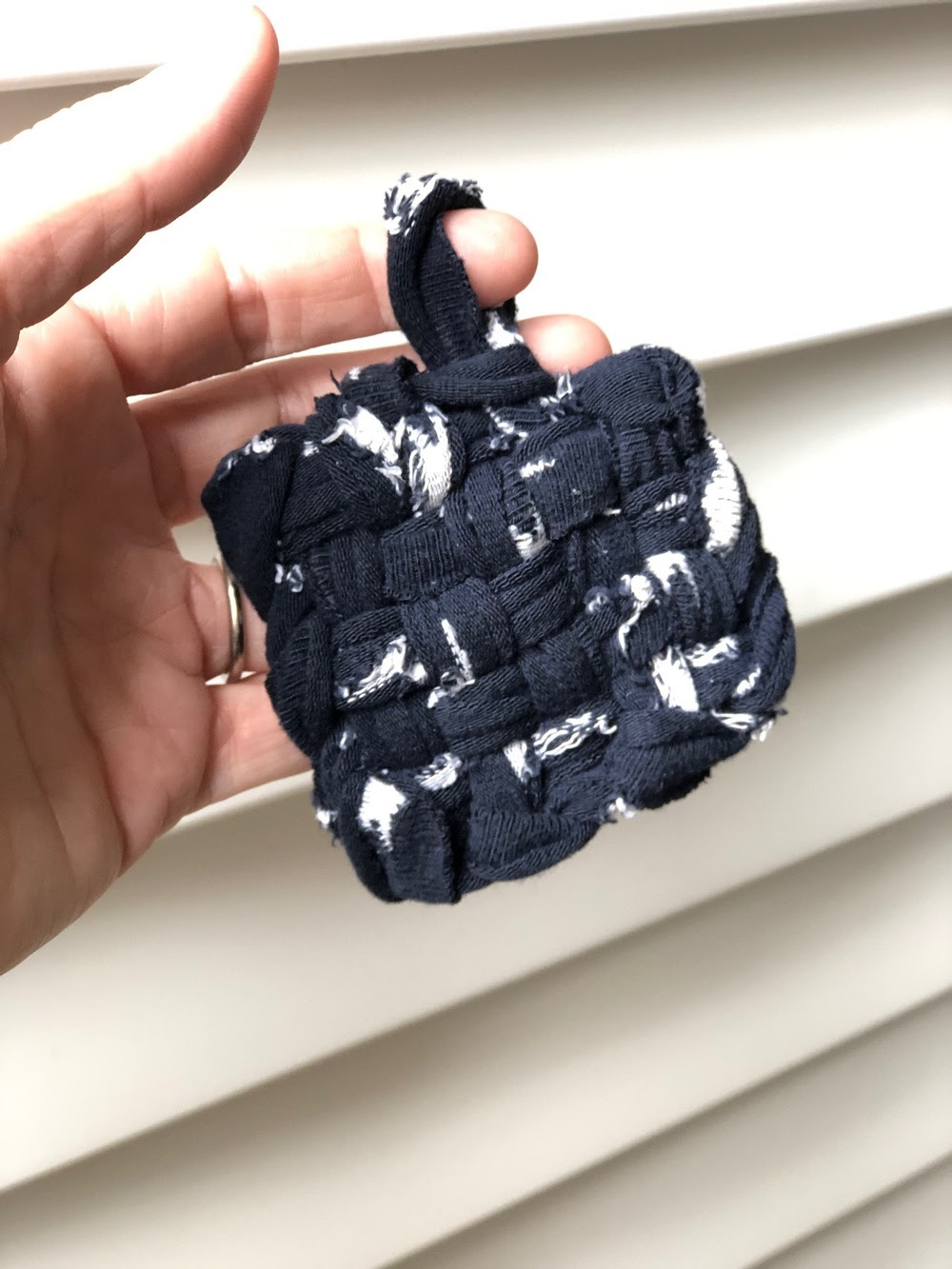
A Tawashi sponge is an eco-friendly dish sponge coming from Japan which is made out of old socks.
Materials needed:
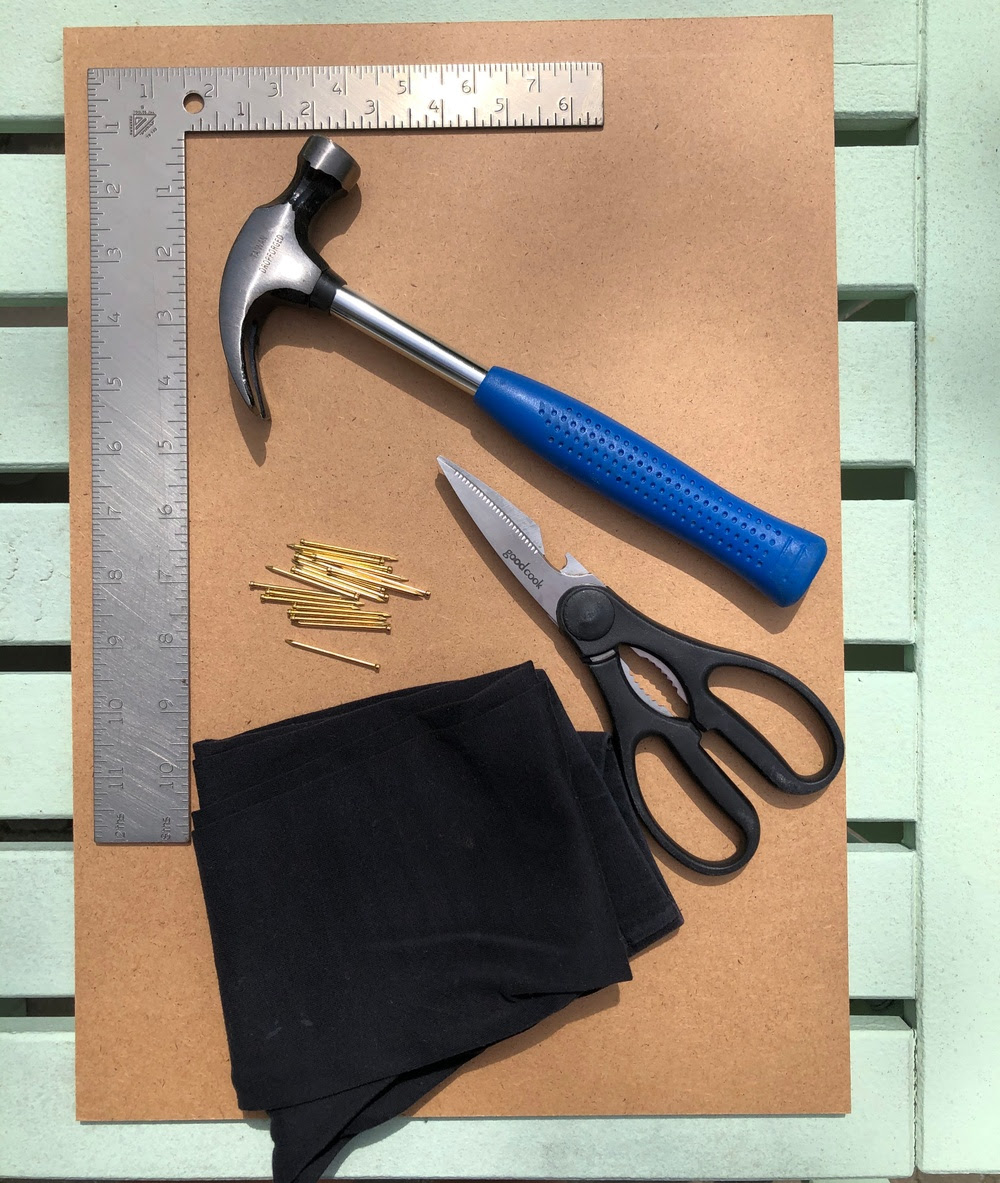
- 2 or 3 old (usually orphan) socks, ideally 100% cotton to avoid microfiber pollution
- a wooden board
- 20 flat head nails
- a hammer
- a pair of scissors
- a ruler
- a pencil
- a protractor or a try square (optional)
Instructions:
1: Draw a 5.6 inches square on your wooden board
2: Mark dots along the square, 1.2 inches between the corner and your first nail and then one dot every 0.8 inches. Once the 20 dots are marked, firmly plant your nails
3: Cut 10 strips of 1.2 inches wide into your socks
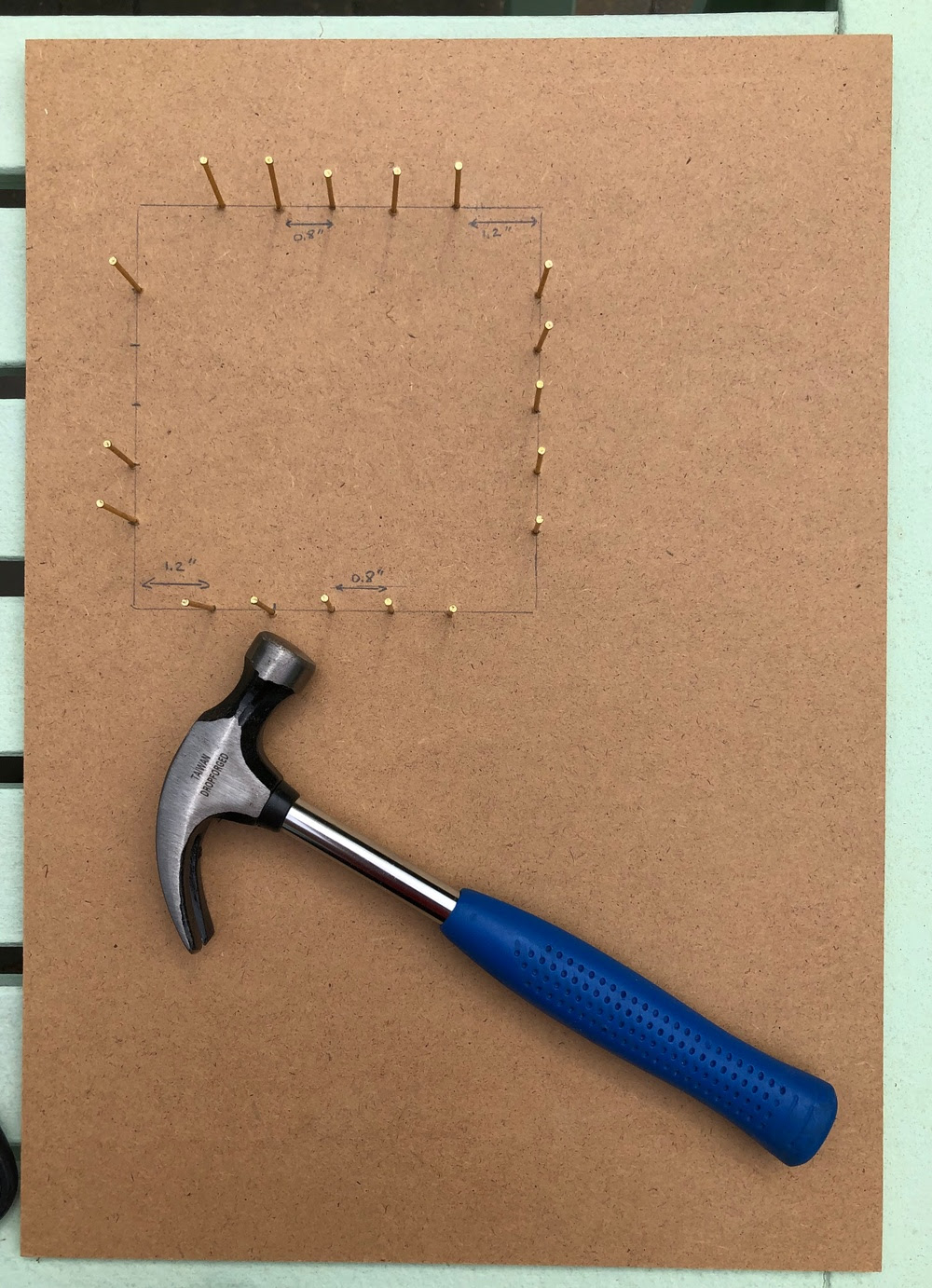
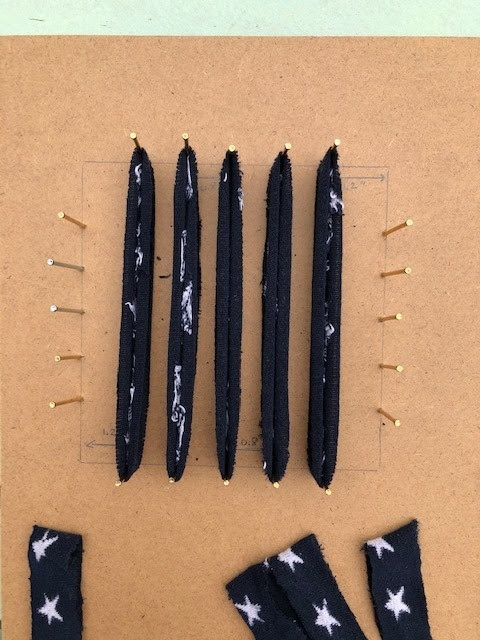
4: Attach the first 5 strips to the nail, stretch them one by one from one side to the other (see image)
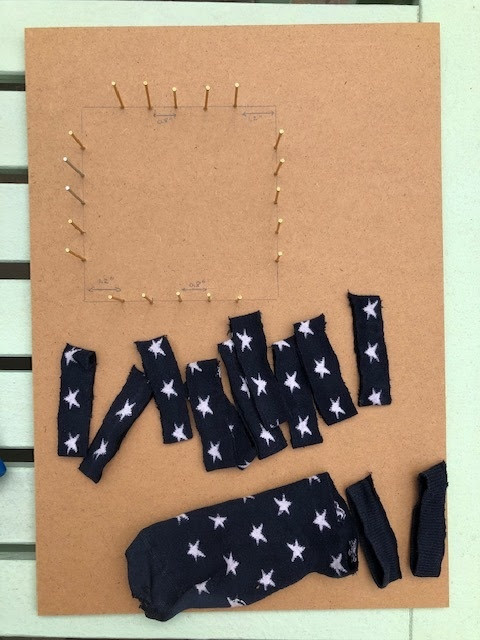
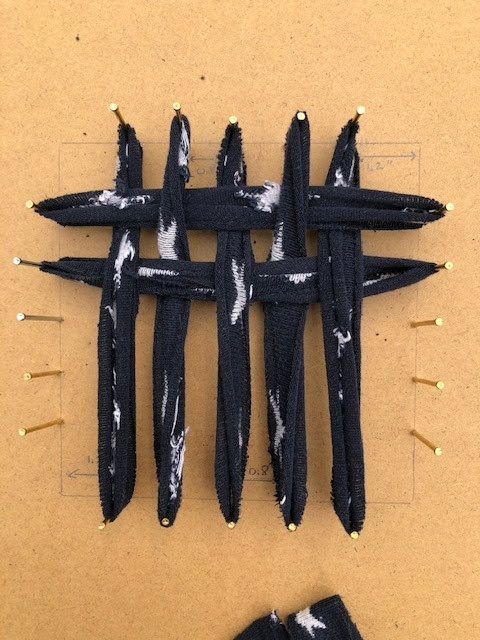
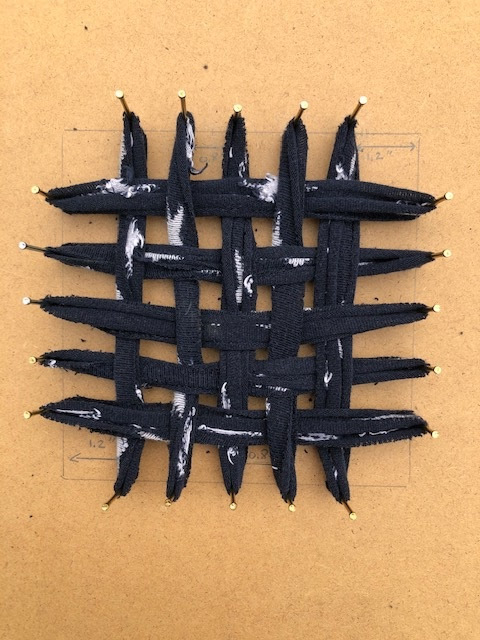
5: Weave your 5 other strips, place the first one at the top and pass it on top of the other vertical strip, then under, then on top, under, on top until you hook it to the opposite side... Then take the 2 second strip, do the same, except you start by passing it under first, then on top, under and on top and so on.
6: Once the weaving is complete, close your sponge by unhooking 2 rings from their nail in a corner, pass one ring through the next ring. The second ring becomes the “first ring”. Continue this step all around your square. The last ring is used as a hook.
Et Voila!
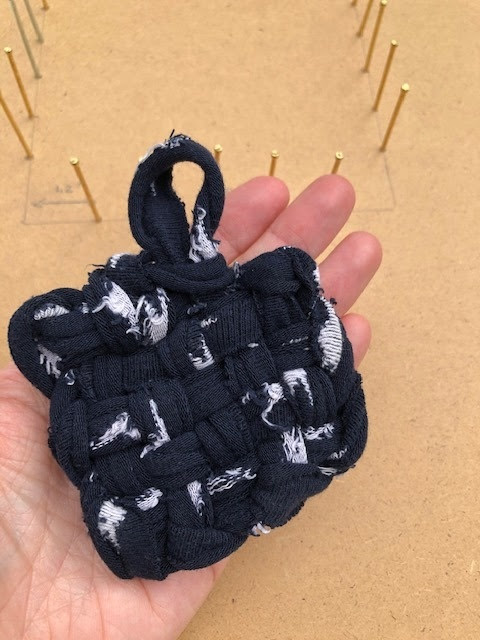
Click here for video instructions from the Permacrafters.
So are you ready to ditch the plastic sponge and try a sustainable alternative instead?