

For a Sustainable Lifestyle

What's wrong with my sponge?
Did you know that the little rectangle you use to clean the kitchen and the bathroom is hiding some dirty secrets form you? No? I did not either!
Let me share with you what I have discovered about our sponges:
1. It smells! Why? Because about 10 million bacteria are having a fest in every square inch of your kitchen sponge, it's more than in your toilet. Gross!
2. It pollutes! Sponges are made out of plastic meaning it releases micro-plastics in our water drains. Once thrown away they stay forever in the landfills.
3. It's a recurrent waste! You keep buying new ones
4. It's impregnated with chemicals such as Triclosan, registered as an antibacterial, anti-fungal and pesticide!
So ditch the sponge and switch to a wooden brush, a hand brush, a vegetable cellulose sponge, a hemp or a coconut scourer, a loofah or make a tawashi with your old socks!
How to make a Tawashi Sponge?
A Tawashi sponge is an eco-friendly dish sponge coming from Japan which is made out of old socks.
Materials needed:
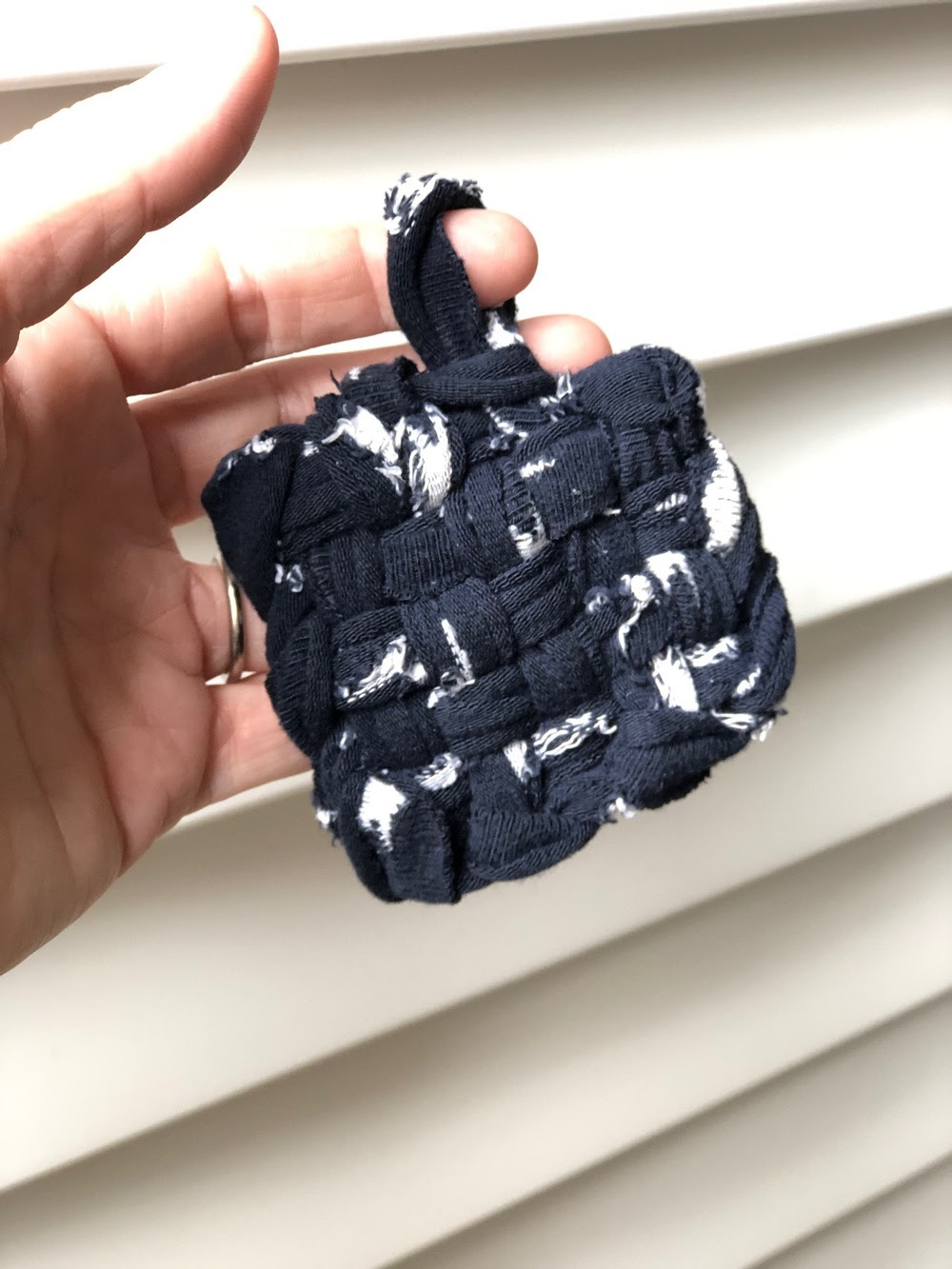
- 2 or 3 old (usually orphan) socks, ideally 100% cotton to avoid microfiber pollution
- a wooden board
- 20 flat head nails
- a hammer
- a pair of scissors
- a ruler
- a pencil
- a protractor or a try square (optional)
Instructions:
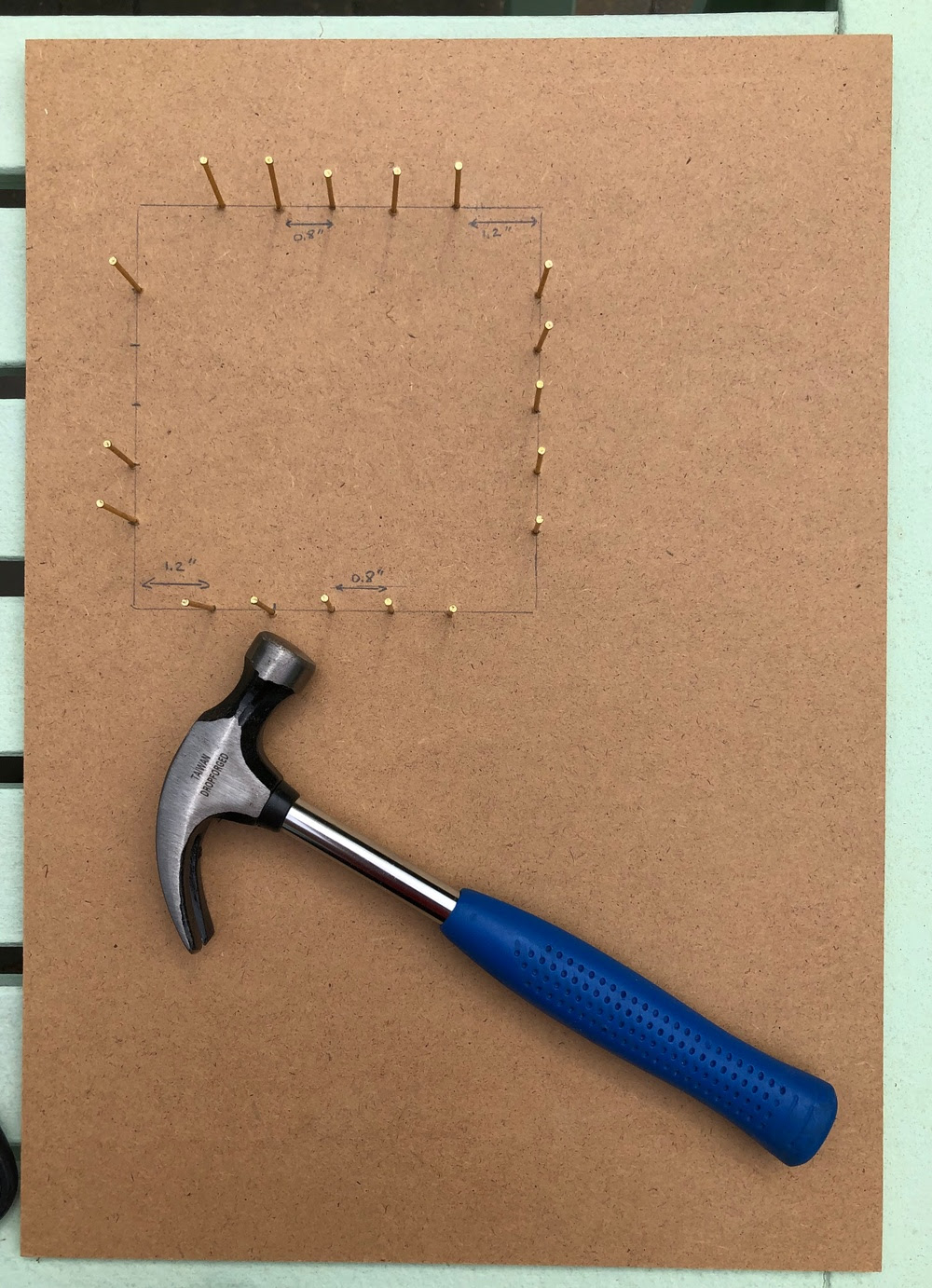
1: Draw a 5.6 inches square on your wooden board
2: Mark dots along the square, 1.2 inches between the corner and your first nail and then one dot every 0.8 inches. Once the 20 dots are marked, firmly plant your nails
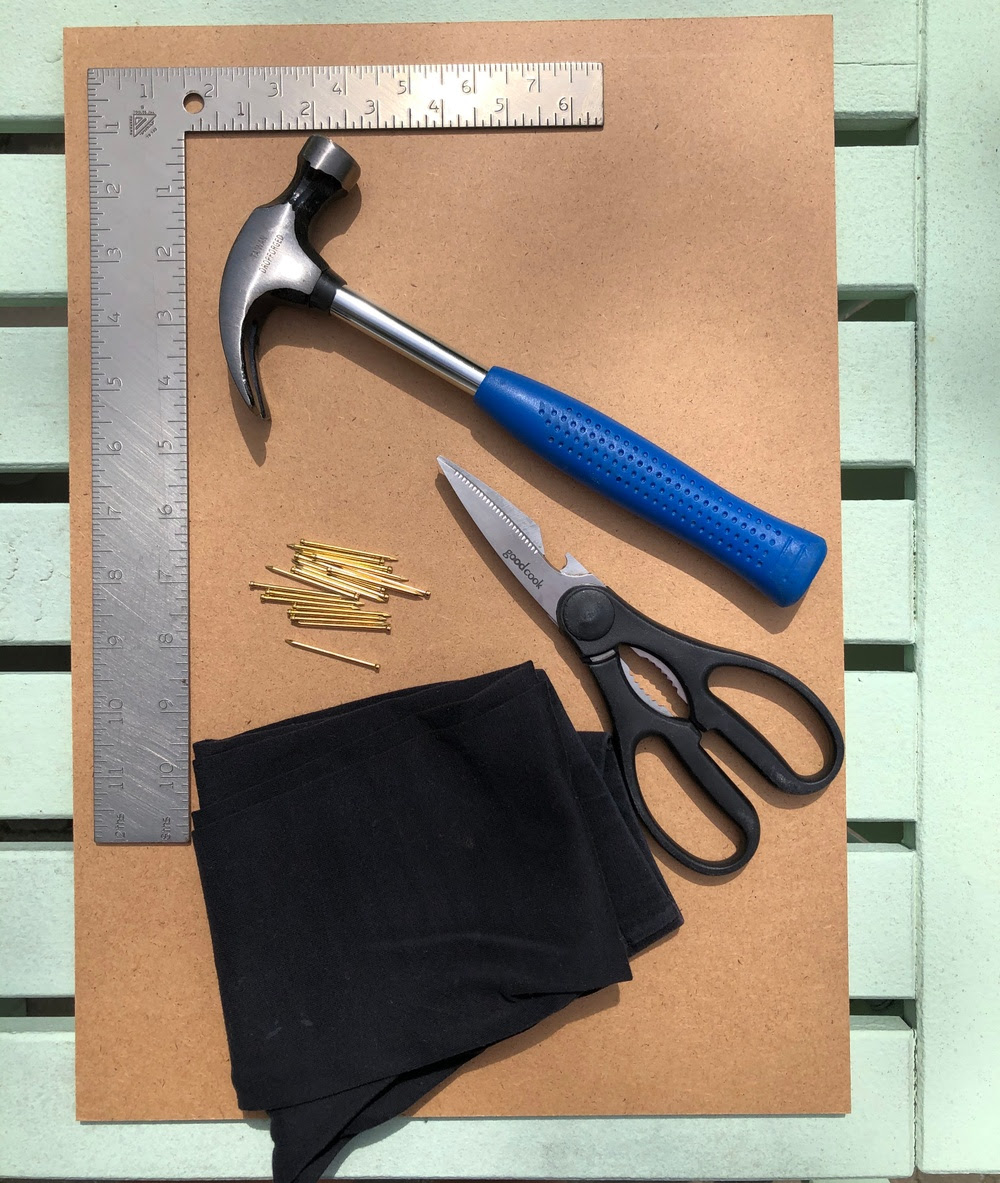
3: Cut 10 strips of 1.2 inches wide into your socks
4: Attach the first 5 strips to the nail, stretch them one by one from one side to the other (see image)
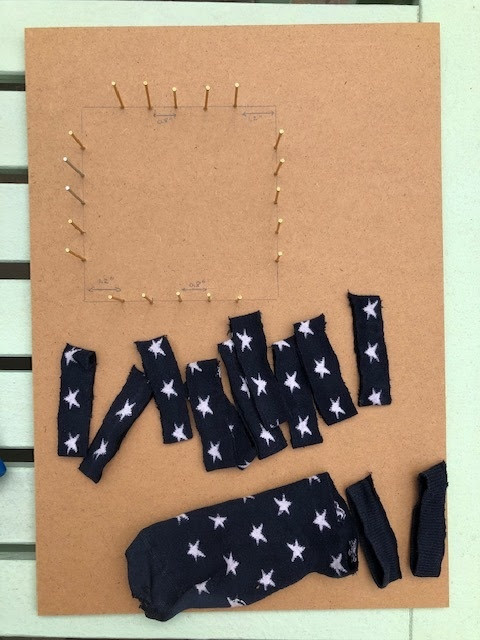
5: Weave your 5 other strips, place the first one at the top and pass it on top of the other vertical strip, then under, then on top, under, on top until you hook it to the opposite side... Then take the 2 second strip, do the same, except you start by passing it under first, then on top, under and on top and so on.
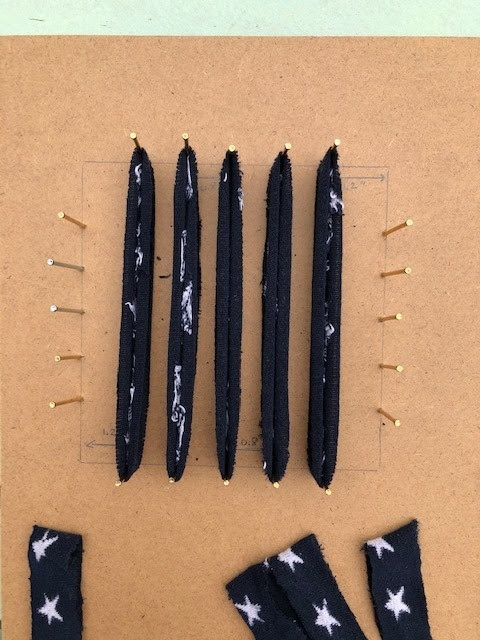
6: Once the weaving is complete, close your sponge by unhooking 2 rings from their nail in a corner, pass one ring through the next ring. The second ring becomes the “first ring”. Continue this step all around your square. The last ring is used as a hook.
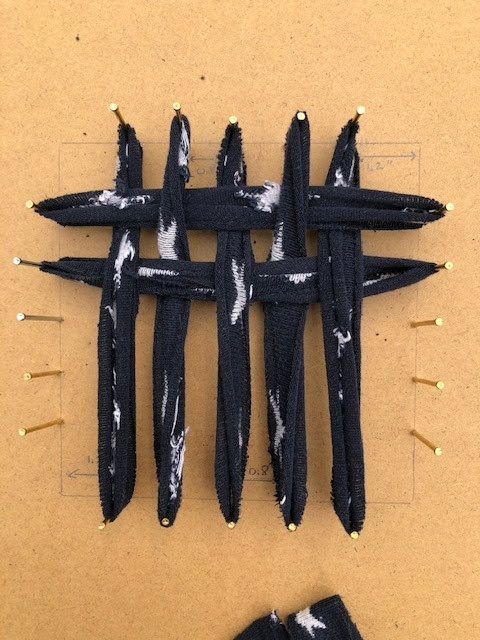
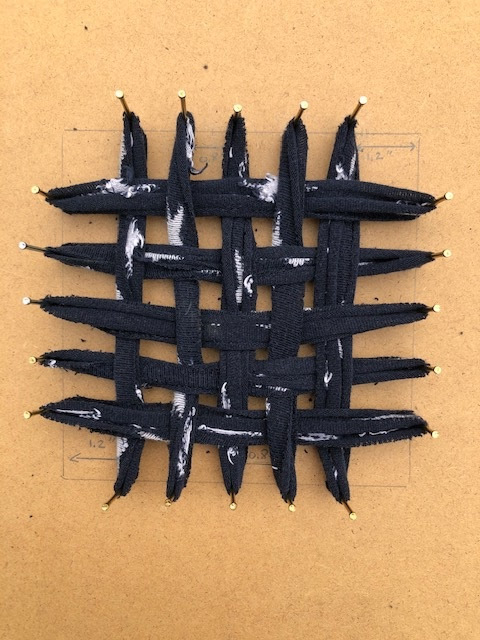
Et Voila!
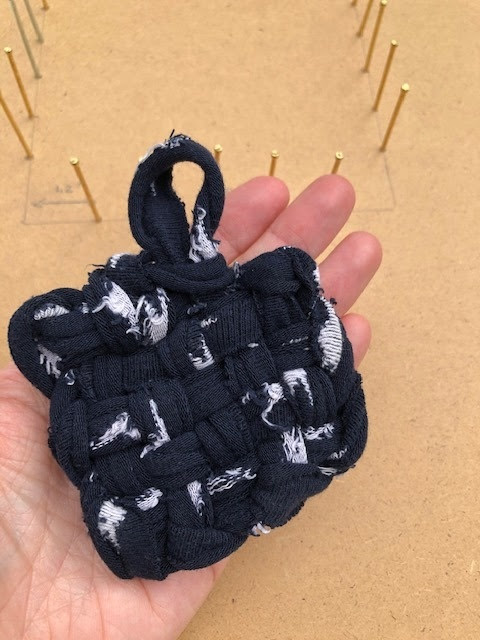
Click here for video instructions from the Permacrafters.
So are you ready to ditch the plastic sponge and try a sustainable alternative instead?

Switch to a Zero Waste Laundry Routine
Source: Photo by Dan Gold on Unsplash
Depending on how you do it and how often, laundry can be an excellent source for reducing your household waste.
Because washing and drying your clothes saps up so much energy, doing a load of laundry every two days generates around 970 pounds of CO2e (carbon dioxide equivalent) per year. That’s about the same as taking a round-trip flight from San Francisco to L.A.—15-mile car rides to and from the airport included.
Beyond adding a significant amount to your carbon footprint, laundry can hurt the earth in other ways. The average American household does around 300 laundry loads annually, which consumes as much as 6,000 gallons of water each year. In addition, many of the name-brand detergents, fabric softeners, and fragrant laundry products we use contain toxic chemicals that harm wildlife and contaminate our waterways.
Then, of course, there’s the issue of the massive amounts of plastic waste created from jugs of laundry detergent.
With 1,100 loads of laundry initiated each second in the U.S., it’s time to take action. You can help protect our planet by switching to a zero waste, non-toxic laundry routine with these four practical tips.
1. Wash less often
The most effective way to minimize laundry waste is also the most straightforward: do less laundry. No one wants to wear smelly clothes, but you may find you toss clothing items into the laundry that could be worn again. If you can wash and dry your clothes less frequently, you can save energy, water, time and keep your clothes longer.
To reduce your number of weekly loads, follow these tips:
- Practice the “sniff test”. If it doesn’t smell, you probably can wear it again!
- Wash jeans sparingly
- Try spot cleaning clothes between washes
- Keep garments fresh by spraying them with vinegar and water before hanging them up and/or hang your clothing in the open air.
- Maintain clean towels and prevent mildew smells by always allowing towels to dry completely after us.
2. Maximize washer efficiency
When you do run a wash, make sure you have a full load to ensure your machine is working at its optimal efficiency. Many washing machines consume the same amount of water regardless of the size of your load.
Don't hesitate to pre-treat stains with a stain removal stick: simply wet the fabric and rub the soap stick onto the stained area, then wash as usual.
Wash your clothes in cold water. A staggering 90 percent of the energy used by a washer goes towards heating water, and you can cut energy consumption and save around $60 per year by sticking to a cold cycle. As an added bonus, washing your clothes less frequently helps prevent fading, shrinking, and microfiber shedding.
3. Air Dry

When it comes to energy wasted when doing laundry, the dryer is one of the greatest offenders. Drying your clothes in a machine accounts for nearly three-quarters of laundry’s carbon footprint. You can work towards zero waste laundry and save a ton of energy by opting to hang your clothes out to dry on a clothesline. Not only will you take advantage of free solar energy, but you’ll also help your garments and linens last longer. In addition to drying clothes, the sun’s U.V. rays can actually whiten and disinfect clothes, and even help remove stubborn stains.
4. Use eco-friendly laundry detergent
Many store-bought detergents contain toxic chemicals and fragrances that can be detrimental to your clothing, skin, and the planet. In addition, with only 9% of plastic is recycled in the U.S, the plastic jugs of liquid laundry detergent will probably go pollute our oceans and crowd our landfills.
Skip the commercial liquid laundry detergent and go for a greener, non-toxic laundry powder. Steer clear from liquid detergents, which include preservatives and sometimes trace amounts of formaldehyde—a known carcinogen and skin irritant.
Powder detergent, on the other hand, is much more shelf-stable and does not require the use of preservatives. In addition, powder is more powerful than liquid and is typically packaged in cardboard boxes or steel canisters, which are lighter to ship and easy to reuse, refill, and recycle. You can take a step towards adopting a greener laundry routine with the people- and planet-friendly laundry powder from Meliora.
When it comes to saving the planet, even small changes can make an impact. By adopting a zero waste laundry routine, you’ll minimize your carbon footprint and water consumption while cutting costs, saving time, and helping your clothes last longer.
Which strategies will you implement first to incorporate a zero waste laundry routine into your life?
Sources:
- https://www.theguardian.com/environment/green-living-blog/2010/nov/25/carbon-footprint-load-laundry
- https://books.google.com/books?id=olm9BwAAQBAJ&pg=PA86&lpg=PA86&dq=440kg+of+CO2e&source=bl&ots=8Z4QY05fY1&sig=ACfU3U1WsU9hGrkicg-v0AUWJRZ-fU0Heg&hl=en&sa=X&ved=2ahUKEwjxnZjHlIToAhUIVc0KHWInA-AQ6AEwDXoECAkQAQ#v=onepage&q=440kg%20of%20CO2e&f=false
- https://www.onegreenplanet.org/environment/waste-free-laundry/
- https://www.consumerreports.org/laundry/energy-saving-laundry-tips/
- https://www.thespruce.com/save-water-in-the-laundry-room-2146003
Zero Waste Classroom Valentines
What does Valentine's Day look like when you try to lower waste, especially with school-age kids? Well, it is a dilemma, your kid wants candies, which means wrappers, which means trash...


