

For a Sustainable Lifestyle

Interview of Brodie, the owner of ZolaTerra
Interview of Brodie, the owner of ZolaTerra
One of my favorite things about running Ekologicall is getting the chance to work with amazing brands and small businesses; I meet so many great people who are committed to make a positive impact by offering products or services that contribute to a more sustainable lifestyle.
Today I want to introduce you to Brodie Levadnuk, President - CEO of ZolaTerra, a local small business.
Q) Brodie, please tell us a little bit about yourself?
I currently live in Matthews, NC and am happily married with one daughter and two fur babies. I spent years in Corporate America in a wide variety of roles where I gained a lot of experience with the consumer product marketplace and business development strategies. I have always wanted to go down the entrepreneurial path and build a company from the ground up, so I leveraged my prior experience to develop and launch ZolaTerra.
Q) Why did you decide to create ZolaTerra?
I have an overwhelming passion to help people, businesses and the Earth in any way I can. Starting my business over five years ago, my main tenants were, and continue to be, to treat customers in a moral and ethical manner and create healthy living and healthy lifestyle brands that are good for the Earth. My first product launch is ZolaTerra.
Q) Tell us about ZolaTerra’s mission and the products / services you offer.
At ZolaTerra, our mission is to create healthy living and lifestyle products that are safe for people, plants, animals and the environment. Keeping things simple and straightforward, you can trust our products to keep your space clean and promote a healthy living environment for everyone.
ZolaTerra’s products are plant-based, vegan, cruelty free, biodegradable, non-toxic and safe to use around children and pets. Our wide product line covers a variety of applications from household, pet and office cleaning to industrial cleaners and degreasers.
ZolaTerra is a plant-based cleaner that is perfect for environmentally conscious companies and people who value sustainability and eco-friendly solutions. We aim to eliminate one of the most hazardous items from a business or home.
Q) How are ZolaTerra’s products different? Why is it important?
ZolaTerra is a plant-based cleaner that is non-toxic, non-flammable, non-corrosive and does not contain caustic or abrasive materials. Our products, even in a concentrated state, are safe for the skin with virtually no odor and do not require gloves, respirators or special handling.
ZolaTerra works on a microscopic level using a combination of plant-based solvents, micelles and de-scalers to safely remove all types of grime, from a surface or substrate. ZolaTerra effectively cleans while near or practically at neutral pH. Simply stated, ZolaTerra lifts grime to easily wipe, scrub and rinse it away.
Unlike other "green" products in the market, ZolaTerra is the only plant-based, biodegradable, food safe cleaning product line certified with the NSF Non-Food Compound Product Registration, USDA Certified Biobased Product designation and contributes towards LEED certification points & Materials and Resources Credits.
Q) You use mineral free water, ionic and non-ionic surfactants, plant-based solvent and gluconate salt as ingredients in your products. Can you please “translate” those terms for us?
As you know, at ZolaTerra, we aim to replace all types of caustic cleaners (such as bleach) with plant-based, more organic, safe and environmentally friendly products. To prove this, we have received our NSF certification, which means our products can be used around food contact surfaces and the USDA Biopreferred designation, which means ZolaTerra is readily biodegradable. Our ingredients are not listed on the California Proposition 65 list, and our surfactants are listed on the CleanGredients list, the EPAs’s published list of clean, safe ingredients for products to become Safter Choice certified (in process for ZolaTerra.) We value the safety of our products and not using ingredients that are caustic or chlorine based is a large part of that effort. We ensure our products, bottles, labels, etc. are cruelty-free and not tested on animals, which is why we also have the PETA and Leaping Bunny designations.
Mineral free water, which is a key foundation and equates to about 95-98% of the product, is simply water without any minerals. It is extremely pure, with no additives at all. Our ionic and non-ionic surfactants is just a fancy word for soap. We blend non-ionic surfactants, which help detach grime from a surface, with an ionic surfactant (or liquid soap), which helps to pull away and suspend the grime. Our plant-based solvent is naturally distilled from plants to help dissolve and remove grime. These ingredients work synergistically and are much, much stronger together to get the cleaning done! These aren’t new super ingredients, but the way we blend them together allows each ingredient to work at its strongest, and is what makes ZolaTerra uniquely powerful and safe for you, your family, your pets and the Earth.
Q) How do you try to prevent or reduce waste?
There are many different direct and indirect ways ZolaTerra can help prevent or reduce waste.
Directly, ZolaTerra purchases and reuses recycled materials for our pails, bottles, sprayers, labels, boxes and especially packaging material. For our industrial customers, we sell them concentrate and provide education on how to best dilute it for their application. This saves on shipping, fuel and the amount of product purchased.
Additionally, we look for partnerships with small businesses, like Ekologicall, that share our passion for reducing waste through reusing and recycling plastic. By providing customers a way to refill and reuse their bottles, Ekologicall is the perfect example of how these partnerships help to reduce the number of plastic bottles in landfills.
Indirectly, ZolaTerra is safe for all surfaces, is readily biodegradable, meets all OSHA and EPA regulations and is accredited by the EPA’s Bio-Based Program. Independent lab testing confirmed that ZolaTerra products are safe when discharged with wastewater and reduce the chemical and biological load upon municipal sewer systems, making it easier for them to process waste.
For industrial applications, ZolaTerra cleans at a lower temperature versus traditional cleaning methods, reducing the impact of energy consumption on the environment.
Q) Are there any new products or projects you’re working on right now?
We just launched a new eyeglass lens cleaner and are working on developing a new disinfectant. Creating a safe, non-chlorine-based disinfectant that works with our formula is a challenge, but we expect to have a product solution and sanitation certification shortly.
Follow us @zolaterraclean on Facebook and Instagram to stay up to date on our latest product developments!
Find ZolaTerra products at Ekologicall.com here, at the South End Market every Saturday mornings or delivered right to your door.

The 5 Rs of a Zero Waste lifestyle
When embarking on a less wasteful lifestyle, the 5 steps described by Bea Johnson, one the pioneers of the Zero Waste movement, are very inspirational and to be kept in mind:
-
Refuse what we do not need
-
Reduce what we do need
-
Reuse what we already have
-
Recycle what we can't refuse, reduce and reuse
-
Rot the rest

REFUSE WHAT WE DO NOT NEED
- We don't need single-use plastic bags, straws, cutlery, water bottles, or unnecessary packaging.
- Even if Covid made it challenging for some items, we can do without disposable items such as wipes, masks, gloves, cups, paper towels, napkins, cotton balls, razors...
- We don't need junk mail and promotional freebies that will go straight to the trash can or be forgotten in a drawer. It's not because something is free that we have to accept it.
- We should say no to plastic clothes because they won't last, produce a lot of micro-plastics and rapidly become waste.
- Refuse to succumb to marketing tricks that make you buy more than you need.
Refusing what we don't need requires us to say "no" and that might feel uncomfortable but like a lot of things in life, practice will help tremendously. A polite "no, thank you" will go a long way.
It is very important to refuse what we don't need because the more we are to refuse, the more the sales of these wasteful items drop and create a demand for something different and more sustainable.

REDUCE WHAT WE DO NEED
Reduce what we do need is about using what we already have, borrow whenever possible, buy second hand and when new is necessary, buy smart: check the composition/ingredients of the product, where it has been made, by who, always prefer quality over quantity. In a nutshell: Less is more!
When reducing what we need, we reduce our demand on non-renewable natural resources, we reduce greenhouse gas emissions, the amount of trash sent to the landfills and let's not forget our expenses!
Depending on our relationship with new stuff, trends and/or deals, the above might feel unachievable.
Here are some tips to progressively cut the cord with mass consumption:
- Unsubscribe from catalogs and marketing emails you receive in your mailbox/inbox. PaperKarma is a free easy app to stop receiving catalogs and junk mail.
- Reduce temptations by limiting your visits to stores like Target, Home Goods & co. You know you'll end up buying something, it's like having chocolate in your pantry!
- Before going shopping, make a list and stick to it
- Ask yourself a few questions: Do I really need it? Do I already have something similar? Will I use it often? Am I trying to keep up with the Joneses?
- Sell, give, donate what you don't need anymore. Declutter has many benefits and will help you think twice before buying something.
- Compare the joy and the benefits brought by an experience vs a compulsive purchase.
Last but not least, reducing what we need is also about reducing our environmental impact: eat less meat, save water, buy local and in season produce, grow your food, do full loads of laundry, air dry, save energy, use public transportation, refill, buy in bulk...
You get it, Reduce is a big shift in our mentalities but a crucial one for the future of the planet and its inhabitants.

REUSE WHAT WE ALREADY HAVE
The 3rd R identified by Bea Johnson @zerowastehome, who popularized Zero Waste Living, is #reuse.
Reuse anything that we can, repair what can be fixed, give a second life to things, repurpose instead of throwing away.
The possibilities are endless and I can't list them all but here are the ones you can start with:
- Reusable bags to do your shopping
- Reusable produce bags for your fruits and veggies, bulk grains, cereals...
- Reusable water bottle
- Reusable cup/mug
- Reusable utensils for work lunch, take out or picnic
- Reusable cloth towels and napkins
- Reusable food wraps
- Reusable snack bags
- Reusable rags to clean the kitchen and the floors
If you are ready to go a little bit further:
- Refill your shampoo, conditioner, shower gel, body lotion, laundry detergent, dish soap containers
- Buy second hand
- Repair electronics, shoes, mend clothes...
- Borrow, rent what you won't use on a regular basis
- Use handkerchiefs
- Use reusable menstrual pads and/or a cup
- Use a safety razor
- Make vegetable stock with your vegetable scraps. There are many DIY recipes to use our food scraps
- Use rechargeable batteries
- Reuse pasta sauce glass containers to freeze leftover food. And any other containers to store odds and ends.
By skipping the disposables, taking care and reusing what we have, we reduce drastically the amount of waste that we produce, we limit the extraction of natural resources and save money. Bonus: we become very creative!

RECYCLE WHAT WE CANNOT REFUSE, REDUCE, REUSE
Once we've refused single-use plastics, reduced the things we don't really need, reused what we have, then the 4th "R" - Recycling gets pretty easy as we have already eliminated a lot of waste.
We've been made to believe that recycling is the right thing to do and the solution to our environmental problem but it is not true. Only 1/4 of our waste is recycled, more than half goes to landfills, 1/8 is incinerated and the rest, about 1/10 is composted. These are the 2017 Environmental Protection Agency's data for municipal solid waste management in the USA and this doesn't count littering.
To solve our pollution and environmental crisis, we have to take the problem to its source. The recycling or up-cycling of a product should be thought through during its design and before it goes on the market.
Until that happens, we, as consumers, are responsible for recycling right:
- Visit your local solid waste management website, learn about what can be and what cannot be recycled in your county
- Consider visiting your local recycling facilities, they often provide free classes
- Research recycling centers in your town for material that don't go to the trash nor the recycling bin (batteries, corks, computer equipment, tires...)
- And don't bag your recyclables!

ROT THE REST (COMPOST)
Last but not least the last 5 Rs of Zero Waste is Rot! Understand compost.
40% of the food in the US is thrown away, ending up in landfills and producing methane. You might wonder why it doesn't decompose and return to the soil. It's because once trapped under tons of trash, organic material lacks oxygen to properly biodegrade.
Our food scraps represent about ⅓ of our waste. It's huge when we know that so many people are suffering from hunger (more than 37 millions in the USA) and we think about how much land, water, energy and time is required to grow food.
But food waste doesn't have to go to the landfill, it can become a nutritious soil for our garden (or our local farmer's) if we compost it.
There are many compost options available:
- Worm bin: small container full of worms that process food waste through their organisms, if you see what I mean :)
- Bokashi: Japanese term for "fermented organic matter," a specialized system in which waste, including meat and dairy, breaks down without oxygen to produce a compost “tea” and a small amount of organic waste to be buried.
- Compost pile: easiest of all if you have an outdoor space
- Tumbler: same as a compost pile except the compost is inside a bin suspended off the ground.
- Trench method: if you have a yard, dig a 12 inches deep trench or hole, put your compost and bury it with the soil you dug out of the trench or hole. That's it.
If you don't feel like starting your own compost, your city might offer that service or you can use the app @ShareWaste to find someone who will put your food scrap to good use.
Here in Charlotte, Crown Town Compost will gladly provide you with a bucket to fill up with fruits and vegetables scraps, corn cob, banana peel, grass clippings, used paper napkins, towels, tissues, plates, egg shells, nuts and grains, tea bags/leaves, coffee grinds...They can come to you or you can come drop off your bucket @southendmarket on Saturday mornings!
Note that composting is great but reducing food waste by planning ahead is even more important.
Living a less wasteful lifestyle is a journey: don't try to apply the 5 Rs all at the same time, start with something small that you can achieve and add on to it progressively. Producing zero waste is quite impossible in the world we live in but being conscious of the consequences of our consumption choices is a huge step into the right direction.

What's wrong with my sponge?
Did you know that the little rectangle you use to clean the kitchen and the bathroom is hiding some dirty secrets form you? No? I did not either!
Let me share with you what I have discovered about our sponges:
1. It smells! Why? Because about 10 million bacteria are having a fest in every square inch of your kitchen sponge, it's more than in your toilet. Gross!
2. It pollutes! Sponges are made out of plastic meaning it releases micro-plastics in our water drains. Once thrown away they stay forever in the landfills.
3. It's a recurrent waste! You keep buying new ones
4. It's impregnated with chemicals such as Triclosan, registered as an antibacterial, anti-fungal and pesticide!
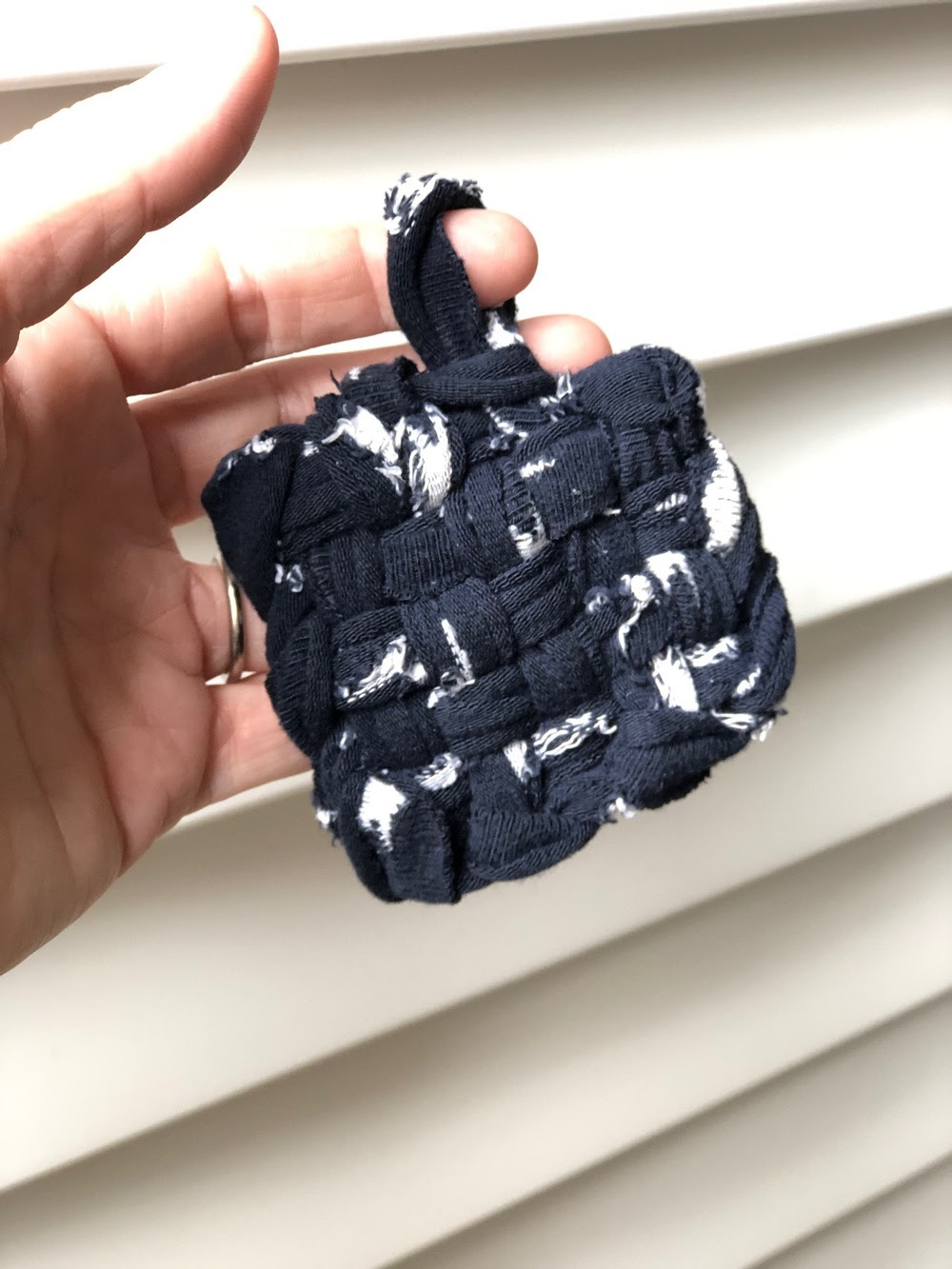
So ditch the sponge and switch to a wooden brush, a hand brush, a vegetable cellulose sponge, a hemp or a coconut scourer, a loofah or make a tawashi with your old socks!
How to make a Tawashi Sponge?
A Tawashi sponge is an eco-friendly dish sponge coming from Japan which is made out of old socks.
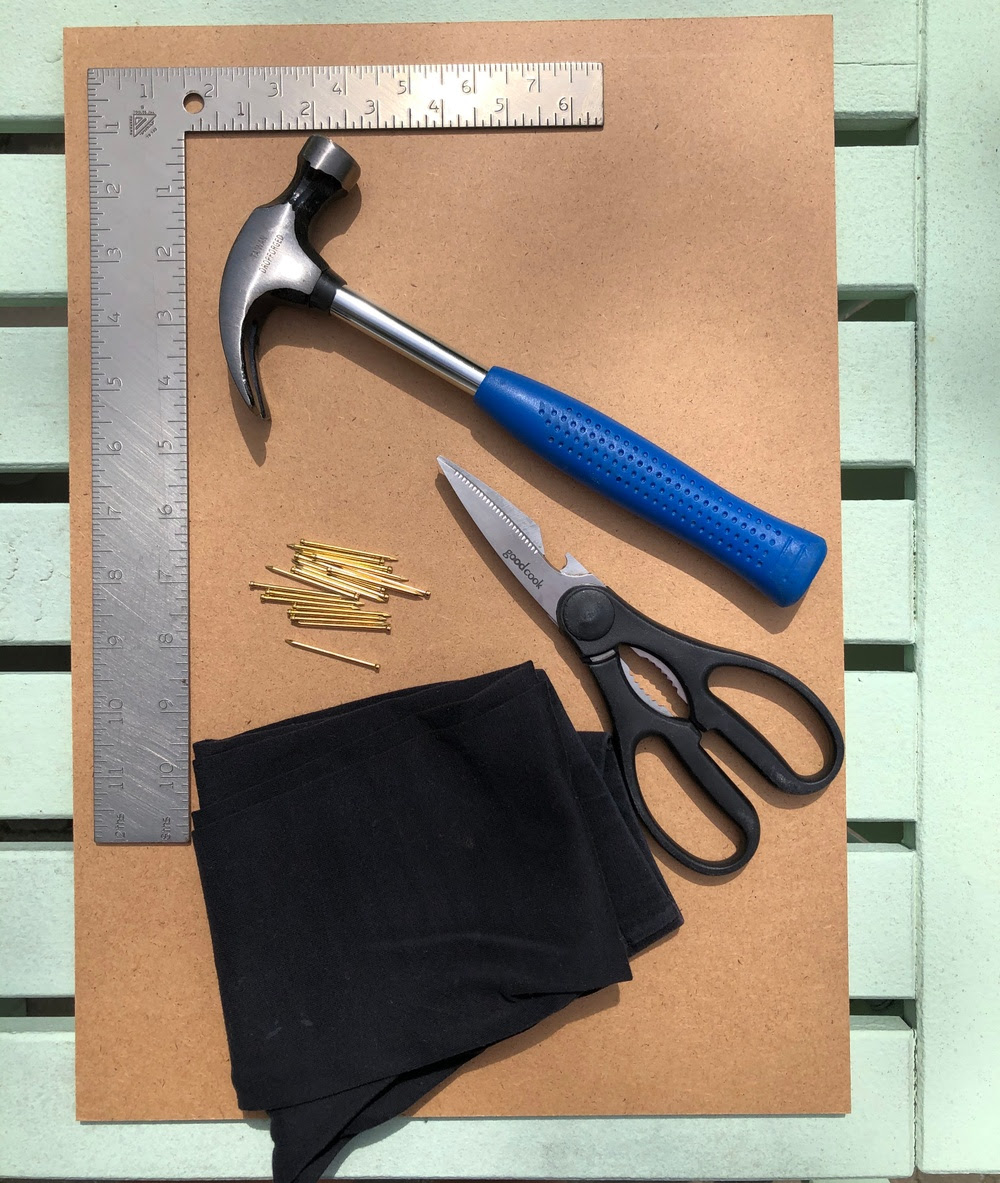
Materials needed:
- 2 or 3 old (usually orphan) socks, ideally 100% cotton to avoid microfiber pollution
- a wooden board
- 20 flat head nails
- a hammer
- a pair of scissors
- a ruler
- a pencil
- a protractor or a try square (optional)
Instructions:
1: Draw a 5.6 inches square on your wooden board
2: Mark dots along the square, 1.2 inches between the corner and your first nail and then one dot every 0.8 inches. Once the 20 dots are marked, firmly plant your nails
3: Cut 10 strips of 1.2 inches wide into your socks
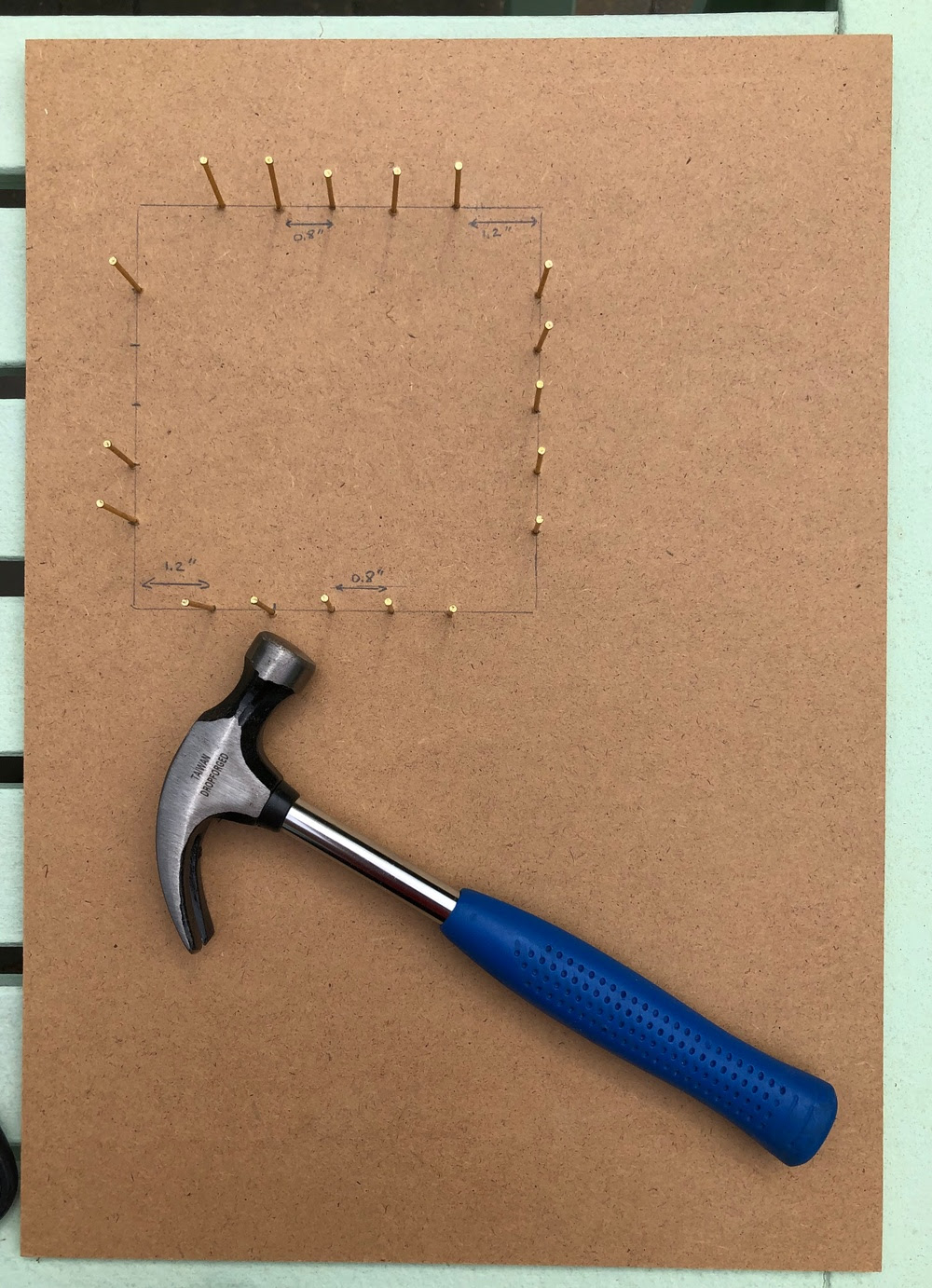
4: Attach the first 5 strips to the nail, stretch them one by one from one side to the other (see image)
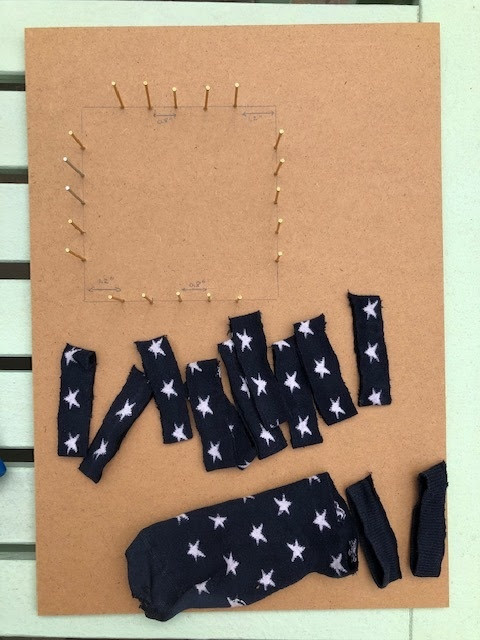
5: Weave your 5 other strips, place the first one at the top and pass it on top of the other vertical strip, then under, then on top, under, on top until you hook it to the opposite side... Then take the 2 second strip, do the same, except you start by passing it under first, then on top, under and on top and so on.
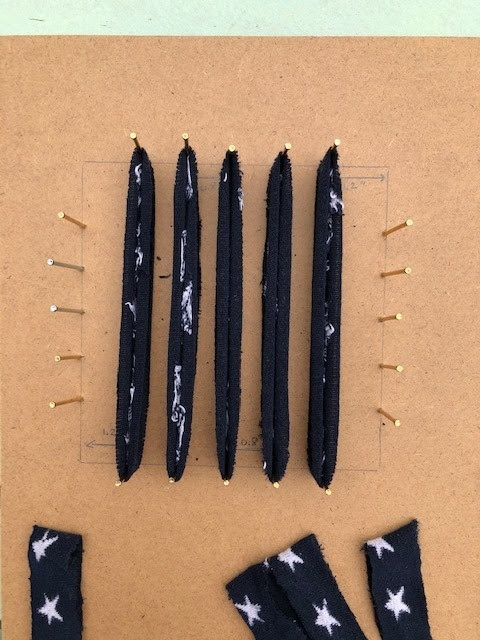
6: Once the weaving is complete, close your sponge by unhooking 2 rings from their nail in a corner, pass one ring through the next ring. The second ring becomes the “first ring”. Continue this step all around your square. The last ring is used as a hook.
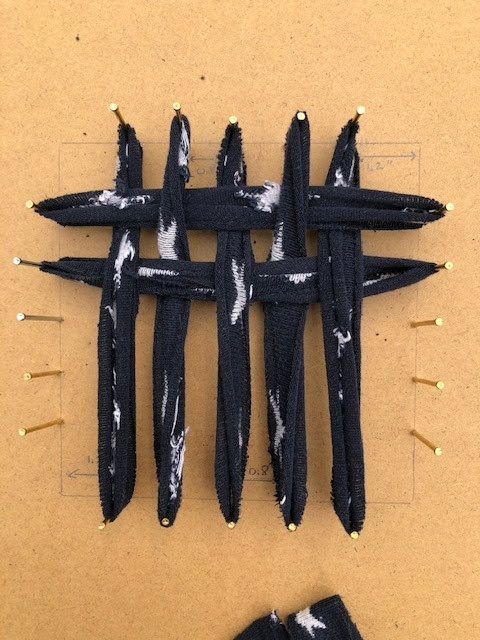
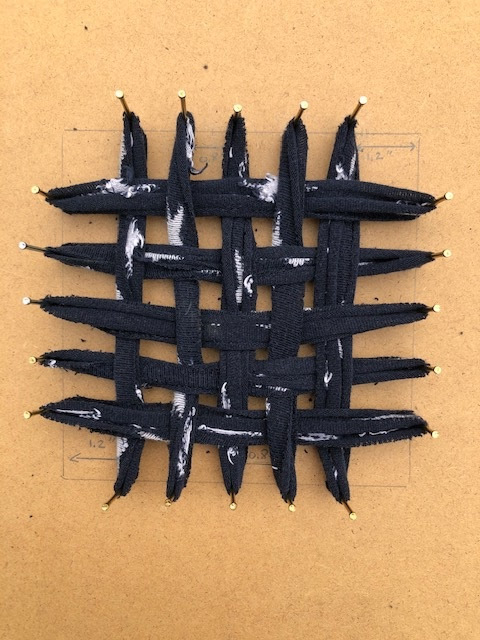
Et Voila!
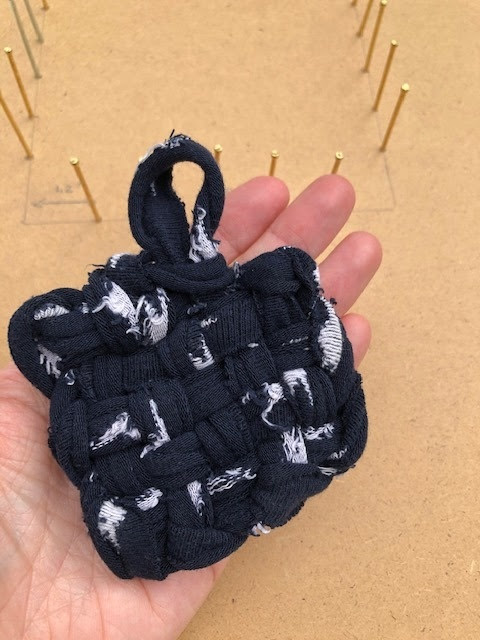
Click here for video instructions from the Permacrafters.
So are you ready to ditch the plastic sponge and try a sustainable alternative instead?
- 1
- 2