

For a Sustainable Lifestyle

Earth Month Celebration - 30 Eco-Tips
Celebrate Earth Month with 30 eco‑friendly tips to reduce waste, save resources, and live sustainably. Simple actions for everyday positive impact.

What's wrong with my sponge?
Did you know that the little rectangle you use to clean the kitchen and the bathroom is hiding some dirty secrets form you? No? I did not either!
Let me share with you what I have discovered about our sponges:
1. It smells! Why? Because about 10 million bacteria are having a fest in every square inch of your kitchen sponge, it's more than in your toilet. Gross!
2. It pollutes! Sponges are made out of plastic meaning it releases micro-plastics in our water drains. Once thrown away they stay forever in the landfills.
3. It's a recurrent waste! You keep buying new ones
4. It's impregnated with chemicals such as Triclosan, registered as an antibacterial, anti-fungal and pesticide!
So ditch the sponge and switch to a wooden brush, a hand brush, a vegetable cellulose sponge, a hemp or a coconut scourer, a loofah or make a tawashi with your old socks!
How to make a Tawashi Sponge?
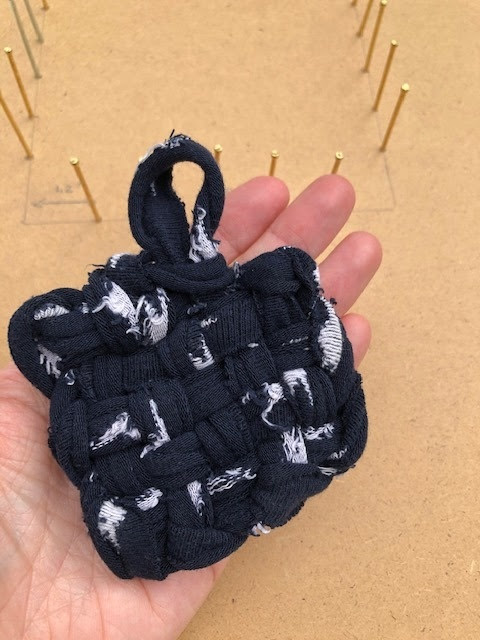
A Tawashi sponge is an eco-friendly dish sponge coming from Japan which is made out of old socks.
Materials needed:
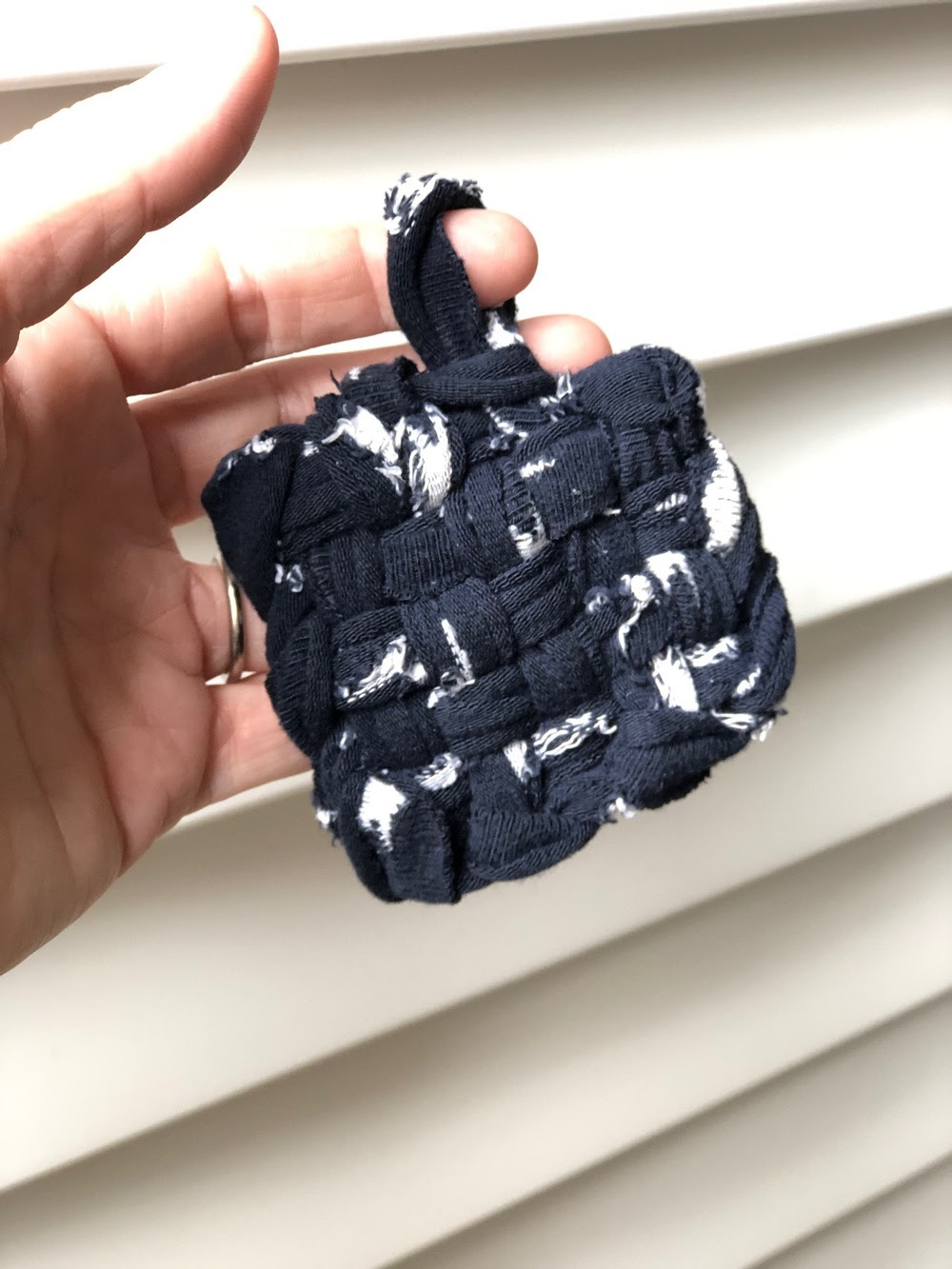
- 2 or 3 old (usually orphan) socks, ideally 100% cotton to avoid microfiber pollution
- a wooden board
- 20 flat head nails
- a hammer
- a pair of scissors
- a ruler
- a pencil
- a protractor or a try square (optional)
Instructions:
1: Draw a 5.6 inches square on your wooden board
2: Mark dots along the square, 1.2 inches between the corner and your first nail and then one dot every 0.8 inches. Once the 20 dots are marked, firmly plant your nails
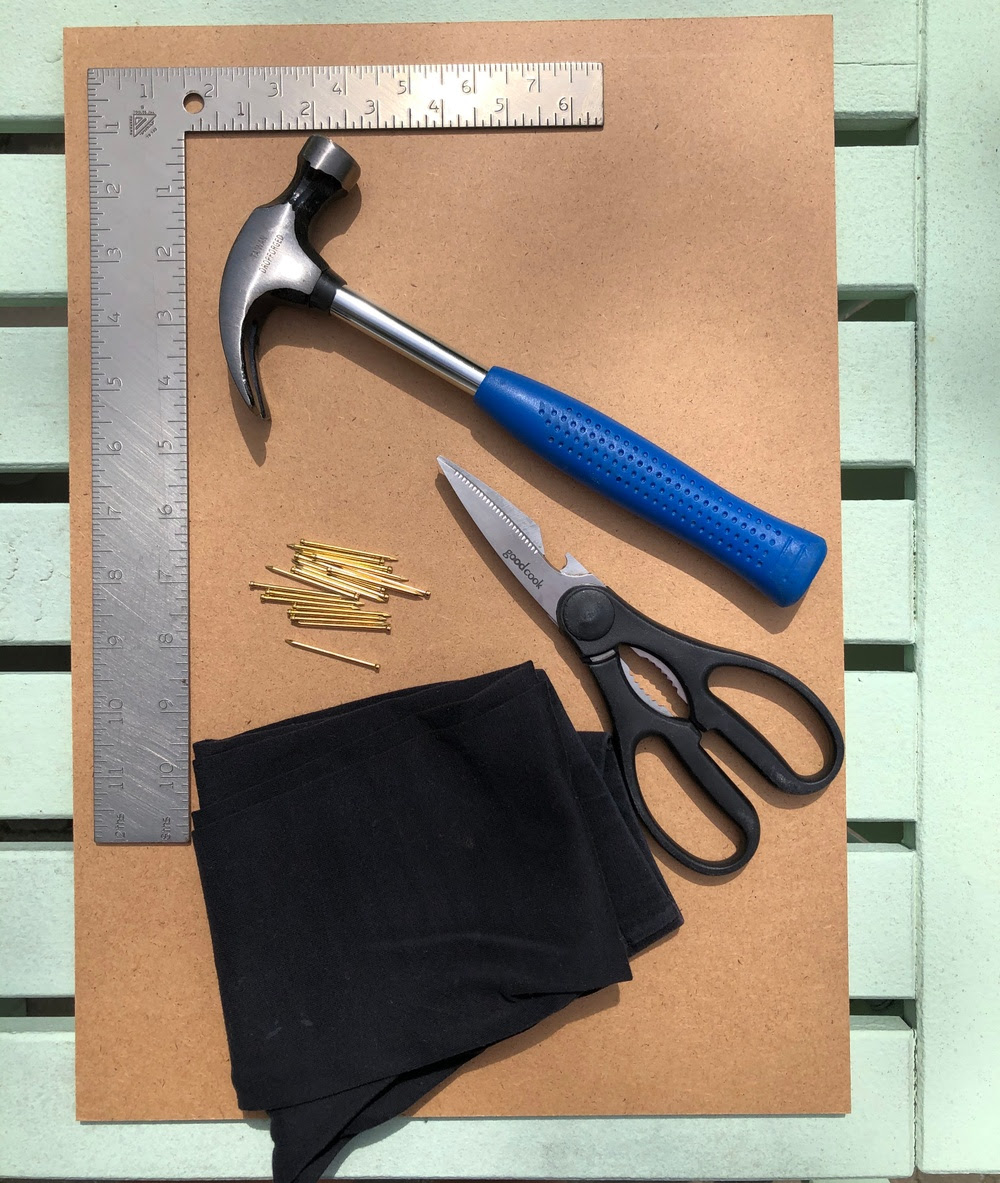
3: Cut 10 strips of 1.2 inches wide into your socks
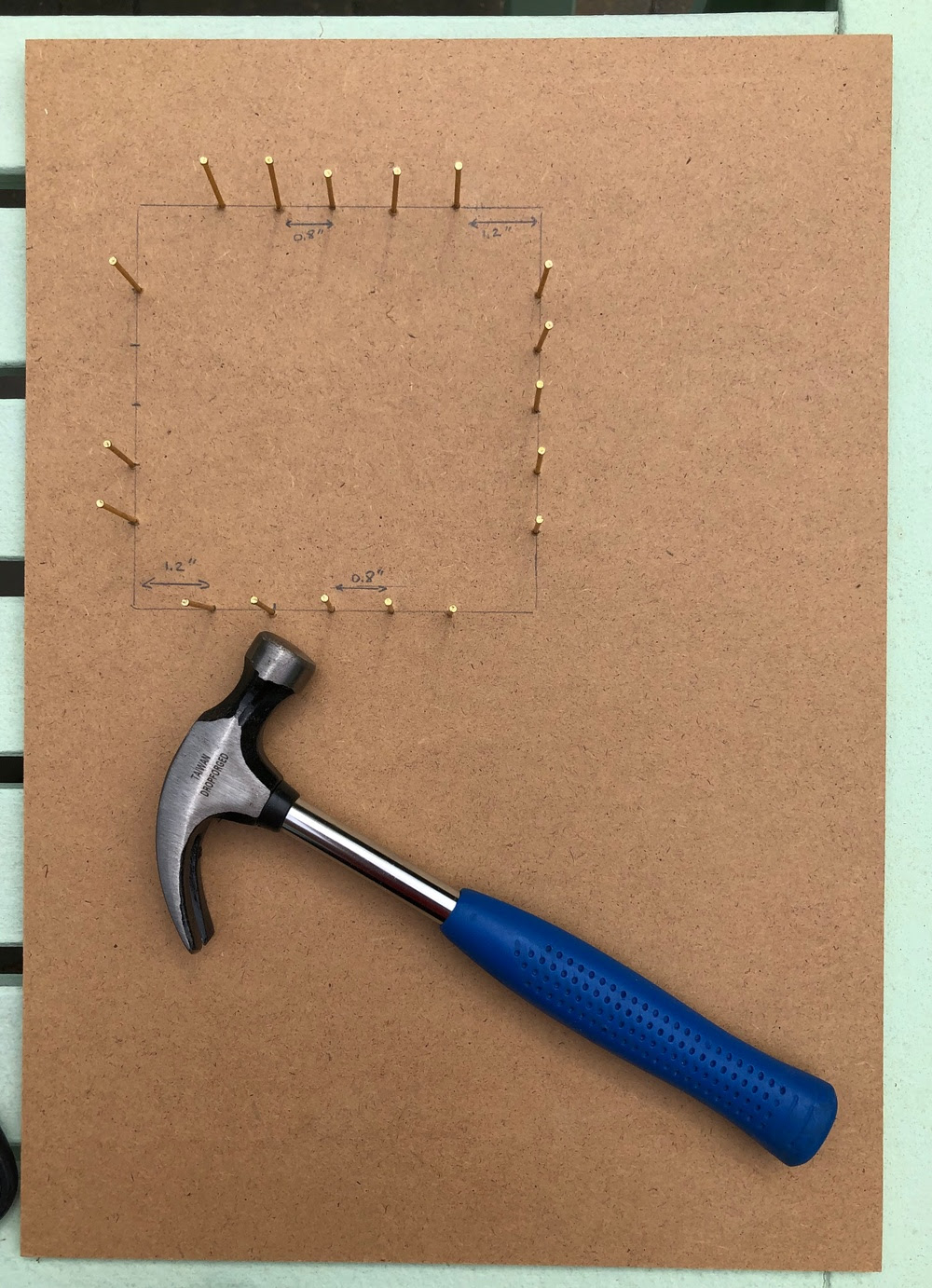
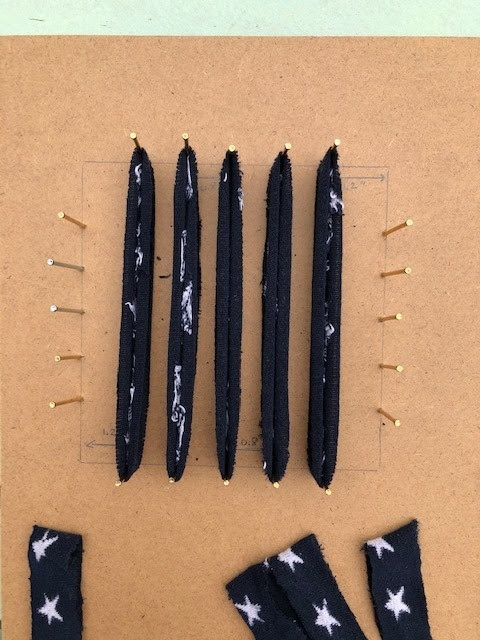
4: Attach the first 5 strips to the nail, stretch them one by one from one side to the other (see image)
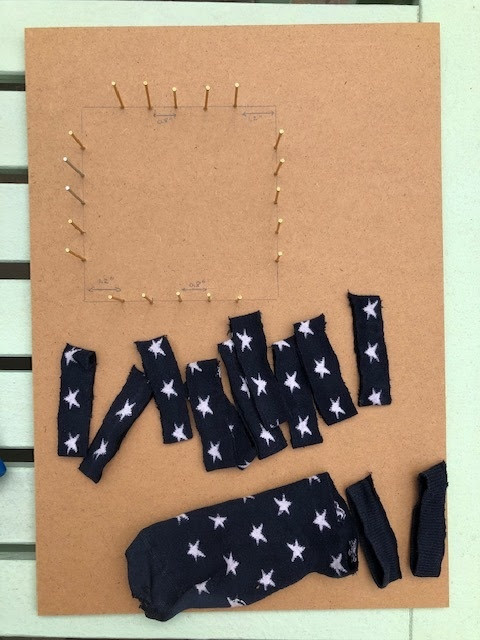
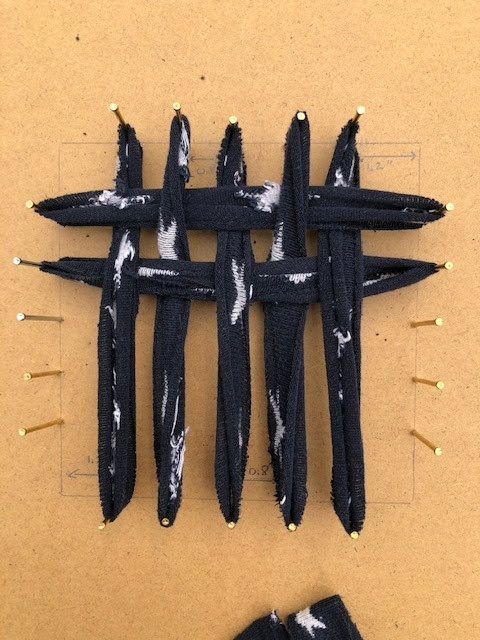
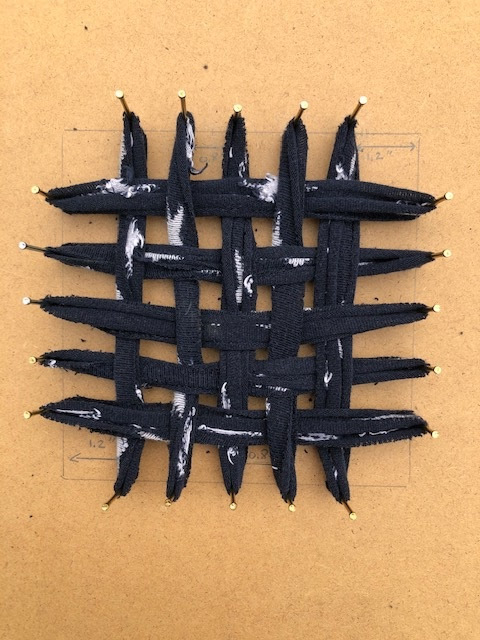
5: Weave your 5 other strips, place the first one at the top and pass it on top of the other vertical strip, then under, then on top, under, on top until you hook it to the opposite side... Then take the 2 second strip, do the same, except you start by passing it under first, then on top, under and on top and so on.
6: Once the weaving is complete, close your sponge by unhooking 2 rings from their nail in a corner, pass one ring through the next ring. The second ring becomes the “first ring”. Continue this step all around your square. The last ring is used as a hook.
Et Voila!
Click here for video instructions from the Permacrafters.
So are you ready to ditch the plastic sponge and try a sustainable alternative instead?

10 easy ways to save water
In the midst of a world health crisis, water is playing a crucial role helping us stay clean and healthy. Still today in 2020, 785 million people – 1 in 9 – lack access to safe water and 2.2 billion people – 1 in 3 – lack access to a toilet. The situation will likely worsen as population and the demand for water grow, and as the effects of climate change intensify. (United Nations, 2018)
Here are 10 easy ways to conserve our precious resource in our home:

1. TURN OFF THE TAP while washing your hands, brushing your teeth, shaving and scrubbing yourself under the shower. Did you know that turning off the faucet while you brush your teeth can save up to 200 gallons of water a week for a family of 4?
2. SHORTER SHOWERS: an average shower uses about 5 gallons of water per minute. Installing a low flow shower head and cutting your shower time to 5 minutes can reduce your water usage and CO2 emissions by 70-80% per year. My personal tip is to play your favorite song, when it's over, it's time to get out of the shower. Another tip is to keep a bucket in the shower and use the collected water for the house plants or hand wash delicate clothes.
3. TOILETS: “If it’s yellow, let it mellow!” is an easy way to save water. Also if you don't already have a small toilet tank installed, you can place a bottle in the tank so less water is needed to fill it and therefore less water is being flushed. This tip can save up to 10 gallons of water per day. I still cannot wrap my head around the fact that we flush drinkable water down to our toilets while some people in the world don't have access to clean water. My dream is to have a composting toilet one day.
4. APPLIANCES: As said in my previous blog post, only do full loads of laundry and dishes and save up to 20 gallons of water per wash. If you need to hand wash dirty dishes, here is how my grandma used to do it: plug the sink or fill up a small tub, wash the dishes then rinse them with a trickle of water. Depending on the size of your sink / tub, you’ll only use a total of about 2 gallons of water compared to 2 or more gallons per minute if you let water run through the faucet.

Photo by Nadine Primeau on Unsplash
5. FOOD: it takes a lot of water to grow, process and transport food, the worst is meat with 2,000 gallons of water needed to produce one pound of beef for instance. With the agriculture industry being responsible for approximately 80% of the water used in the U.S. reducing our meat consumption, eating more vegetables, avoiding processed food and fighting food waste are the most impactful choices you can make in terms of water conservation.
6. VEGETABLES: wash your fruits and vegetables in a bowl instead of running water then reuse the water for your plants or garden.
7. COOKING WATER: Water and feed with nutrients at the same time your plants with the water used to rinse, boil, steam vegetables, eggs, pasta. This leftover water can also be used for your homemade stock.
8. CLOTHING: Another area where we usually don't realize the amount of water required is the manufacturing of clothes. It takes 720 gallons of water to produce one single cotton tee-shirt. So before buying new clothes, consider buying second hand.
9. GARBAGE DISPOSAL uses important amount of water and energy to run so adopting a zero waste lifestyle helps reducing the trash produced. Consider starting a compost with your organic scraps.
10. LEAKS: they represent 12% of water use in a typical American home so check your pipes and toilets.
What about you? How do you make sure not to waste water and reduce your consumption?